
Top 8 cleaning hacks for small Tokyo apartments using 100-yen store tools and local techniques to keep tatami, shoji, tiny kitchens and bathrooms spotless between deep cleans.
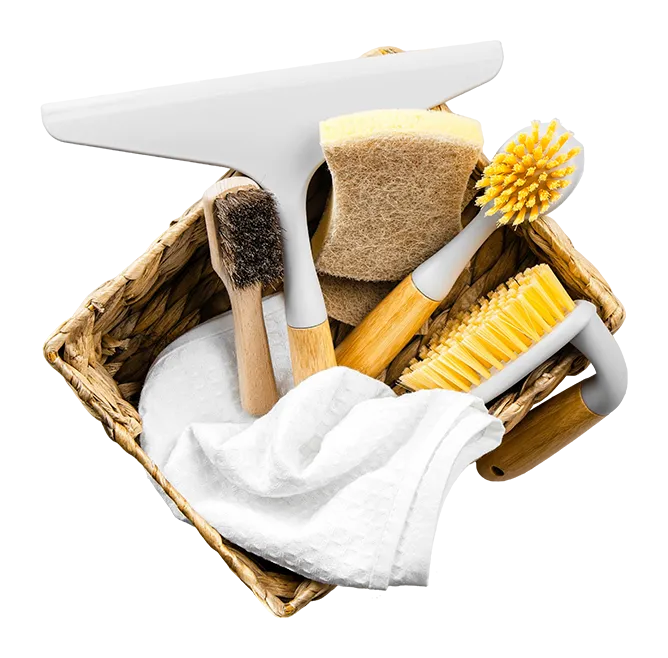

Top 8 cleaning hacks for small Tokyo apartments — 100‑yen store tools + local techniques to keep tatami, shoji, tiny kitchens and bathrooms spotless
Living in Tokyo often means making the most of very small spaces — and that includes cleaning them efficiently. With a few clever tools from Daiso/Seria/Can Do and some time‑tested Japanese tips, you can keep tatami, shoji, compact kitchens and unit baths fresh between professional deep cleans. Below are 8 practical hacks you can do quickly and cheaply.
Note: for periodic deep cleaning, moving‑out cleans, or disinfection services, Tokyo Cleaner can help — quick, local, and experienced with small Tokyo apartments.
1) Tatami (畳) — daily care without water damage
Tools from the 100‑yen store: soft microfiber cloths, soft broom or duster, small hand vacuum brush attachment (if available), baking soda, small broom & dustpan.
How to: - Sweep or dust along the weave (tate‑yoko direction) with a soft broom or microfiber duster — never scrub across the grain. - For odors, sprinkle a light dusting of baking soda, leave 10–20 minutes, then carefully vacuum with a low‑suction brush or sweep up. Avoid soaking tatami — water causes mold and warping. - Airing: on dry, sunny mornings open windows and pull tatami into indirect sunlight for 20–30 minutes (keep direct hot sun limited to prevent fading). If you can’t move tatami, open balcony/ventilation for 10–15 minutes to reduce humidity. - For small stains, gently blot with a barely damp microfiber cloth and dry immediately. Test first in an inconspicuous corner.
Why it works: tatami are sensitive to moisture and heavy scrubbing. Gentle dusting + odor control with baking soda preserves their texture and prevents mold.
2) Shoji (障子) — dust & tiny repairs without replacing the whole panel
Tools: soft brush or long microfiber duster, low‑suction vacuum brush, cotton swabs, clear washi repair tape or double‑sided tape (some 100‑yen stores sell shoji repair sheets).
How to: - Dust frames and paper with a soft duster or vacuum on low with a brush attachment. Work top→bottom so dust falls down. - Avoid saturating the paper. If frames need cleaning, use a lightly damp microfiber cloth (water + tiny vinegar drop) and dry immediately. - For small tears, use shoji repair tape or a small patch of replacement shoji paper cut to size and glued lightly — many stores sell small sheets or adhesive repair film. - For stubborn frame marks, a melamine (magic) eraser on the wooden or lacquered frame works well; keep away from paper.
Why it works: shoji paper (washi) is delicate — dry cleaning and small, local repairs save you the hassle of full replacement.
3) Tiny kitchen stovetop and burners — fast grease control
Tools: spray bottle, white vinegar, dish soap, baking soda, melamine sponge (magic eraser), old toothbrush, toothpicks or wooden skewers, small stainless scrubber.
How to: - Make a spray: 1 part white vinegar to 3 parts water in a bottle. Spray cooled grease and let sit 2–5 minutes, then wipe with microfiber. - For baked‑on grime: sprinkle baking soda, add a few drops of dish soap, leave 5–10 minutes, then scrub gently with a melamine sponge or toothbrush. - Clean gas burner holes with toothpicks or small skewers to remove clogs; remove burner caps and soak in warm soapy water first. - Preventative: line the fish grill tray or oven plate with foil (replace weekly).
Why it works: vinegar cuts grease, baking soda provides gentle abrasiveness — perfect for delicate compact cooktops.
4) Sink and drain — keep clogs out cheaply
Tools: sink strainer (100‑yen), bottle brush, vinegar, baking soda, kettle or pot to pour hot water, zip bag and rubber band.
How to: - Always use a sink strainer to catch food waste — cheap and effective. - Weekly flush: pour 1/2 cup baking soda into the drain, follow with 1 cup vinegar, wait 10 minutes, then pour boiling water. - Clean faucet aerator: unscrew aerator, soak in vinegar inside a zip bag tied to the tap for 30 minutes, rinse, and reassemble. - Scrub sink basins with dish soap and a brush after cooking to prevent grime build‑up.
Why it works: mechanical prevention (strainer) + natural chemical reaction (baking soda/vinegar) keeps drains fresh without harsh cleaners.
5) Unit bath & tiny bathrooms — prevent mold and soap scum
Tools: small squeegee, melamine sponge, spray bottle, bathroom scrub brush, mildew remover (use carefully), rubber gloves.
How to: - After showering, squeegee walls and glass to remove soap film and reduce humidity. - Weekly: spray diluted vinegar solution on walls and floor, scrub with a melamine sponge or bathroom brush, then rinse. - For the shower head: tie a small bag of vinegar around the head with a rubber band and let soak 30–60 minutes to dissolve scale. - Ventilate: open windows or run the fan for 20–30 minutes after bathing. In humid months, run a dehumidifier or use silica/charcoal sachets.
Why it works: quick moisture control and light acidic cleaning prevent mold before it sets in — key for tiny, poorly ventilated unit baths.
6) Sliding door tracks, narrow gaps and crevices
Tools: old toothbrush, long cotton swabs, wooden chopsticks wrapped in cloth, crevice nozzle for vacuum, candle/tubing wax (for tracks), small brush.
How to: - Vacuum tracks with a crevice tool, then dislodge remaining dirt with a toothbrush or wrapped chopstick. - For sticky residue, apply a little baking soda + water paste and scrub with a toothbrush. - Rub a little candle wax or a track lubricant on sliding tracks to keep doors moving smoothly and reduce dust accumulation.
Why it works: dirt in tracks slows doors and attracts moisture; simple access tools remove the bulk quickly.
7) Maximize cleaning efficiency with 100‑yen organization hacks
Tools: stackable plastic boxes, over‑door pockets, mesh laundry bags, tension rods, labels/washi tape.
How to: - Keep cleaning tools together in a small caddy or mesh bag hung inside a closet door for quick access. - Use tension rods under the sink to hang spray bottles, free up shelf space. - Store small tools in labelled 100‑yen boxes so you can grab a “bath kit” or “kitchen kit” and clean a room in 10 minutes. - Keep replacement parts (sink strainers, disposable wipes) in clear boxes so you don’t run out.
Why it works: decluttered storage makes short, regular cleaning sessions realistic in tiny apartments.
8) Quick refresh hacks — deodorize & quick sanitizing between deep cleans
Tools: activated charcoal pouches, baking soda boxes, dried citrus peels, green tea leaves, small spray bottle with alcohol (for surfaces), lint roller.
How to: - Odor control: a small pouch of activated charcoal or open box of baking soda in closets and near shoes absorbs smells. - Recycle citrus peels: dry them on a tray, put in a small breathable pouch to freshen drawers. - Quick surface wipe: keep a small spray of 70% alcohol for quick sanitizing of handles and switches (spot test surfaces first). - For upholstery or cushions, use a lint roller or dry brush once a week to remove dust.
Why it works: absorbents and quick sprays keep the apartment feeling fresh without heavy cleaning sessions.
Quick daily & weekly routine (10‑minute rules)
Daily (10 minutes): - Wipe kitchen counters and stovetop after cooking. - Squeegee shower walls after use. - Sweep one tatami room or shake out a small rug. - Empty sink strainer.
Weekly (30–60 minutes): - Vacuum tatami lightly and dust shoji frames. - Clean bathroom floor and drain flush. - Deep clean stovetop burners and oven/grill tray. - Replace or refresh odor absorbers.
Safety notes and local considerations
- Tatami and shoji are sensitive to moisture — avoid wet cleaning and test any cleaner in a hidden spot.
- Use gloves and ventilation for bleach or strong mildew removers.
- During Tokyo’s humid rainy season, prioritize ventilation and a dehumidifier to avoid mold.
If you prefer to leave the deep cleaning, moving‑out cleaning, or disinfection to professionals who know Tokyo apartments and their delicate materials, Tokyo Cleaner offers tailored services for small homes, tatami/shoji care, unit baths and more — fast, local, and customer oriented. For routine deep cleans or one‑off disinfection after illness or a move, check Tokyo Cleaner’s services and book a slot that fits your schedule.
Happy cleaning — small consistent steps keep a small Tokyo apartment fresh and comfortable between professional cleans!